

CMS envisions studies to show which drugs keep patients out of hospitals or how certain treatments can reduce side effects. Such analysis would support decisions on best practices in using medications.
CMS envisions studies to show which drugs keep patients out of hospitals or how certain treatments can reduce side effects. Such analysis would support decisions on best practices in using medications.
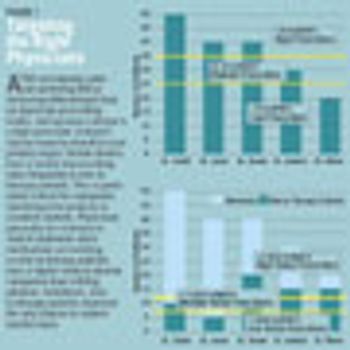
Even though data can single out physicians with high marketing upsides, most pharma companies are doing without such high-value data.

The future of US healthcare is being created today in Medicare's demonstration programs. But how you respond to them depends a lot on what kind of company you are.

In a non-human primate study, high doses of Neumune resulted in 90 percent survival against a lethal level of radiation.
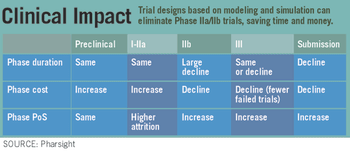
The use of a CUI leads development efforts to explre the most valuable region of treatment - not necessarily the the most efficacious.
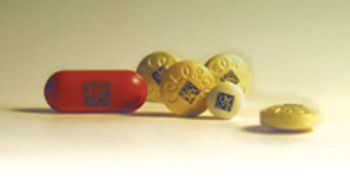
In an ideal world, an anti-counterfeit solution would provide protection throughout the supply chain, allow for easy product identification by physicians, pharmacists, and patients, be easily implemented without ongoing costs-and improve brand image and marketability while it's at it. Yet most current anti-counterfeiting measures involve packaging technologies such as holograms, inks, bar codes and radio frequency ID (RFID) that, although useful, cannot ensure the integrity of the pharmaceutical supply chain, because drugs do not remain in their original packaging. Legitimate repackaging regularly occurs in the pharmacy and elsewhere, and authentic packaging-recycled or stolen-can contain adulterated, counterfeited drugs.