
Life science organizations that will lead the next decade ar those that deploy systems that are scientifically credible, clinically defensible, regulatorily traceable, and operationally sustained.
Senior advisor to NextGen Invent Corporation
Life science organizations that will lead the next decade ar those that deploy systems that are scientifically credible, clinically defensible, regulatorily traceable, and operationally sustained.

Synchronizing sales and marketing around a unified, customer-centric approach is essential for pharmaceutical companies seeking growth and competitive advantage.

Recent breakthroughs in artificial intelligence allow specialized language models to automatically extract critical information from thousands of complex drug labels in minutes instead of days.

Reliable, domain-specific AI models grounded in validated clinical evidence are emerging as essential to safely scaling generative AI across healthcare applications.

Analysis of U.S. drug pricing reform in 2026 highlights how the Inflation Reduction Act, Medicare drug price negotiation, and most-favored-nation pricing initiatives are reshaping pharmaceutical pricing, limiting patent-driven market exclusivity, accelerating generic and biosimilar competition, and driving strategic shifts in market access, pricing models, and innovation priorities across the biopharma industry.

Large language models and natural language processing are reshaping drug safety surveillance by enabling automated adverse event detection, large-scale analysis of regulatory labeling data, and faster, citation-grounded safety assessments while maintaining human oversight and regulatory compliance.

As the AI-first era matures, life sciences leaders must pivot from narrow, task-specific models toward integrated, interpretable frameworks that transform biological complexity into a sustainable competitive advantage.

Can deeper data from specialty pharmacy providers bolster both patient outcomes and financial returns?

Strategies and recommendations for driving value in today’s AI-enhanced prescribing environment.

The window of opportunity for launch is short and unforgiving, and the success depends on flawless execution of launch activity across countries and functions.

A patient-centric approach to drug development delivers the benefits that actually create value.
Pharmaceutical Executive
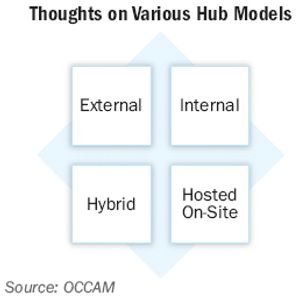
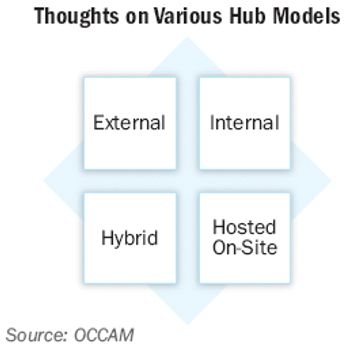
Innovation in hub program design for patient scrip data and clinical support services can lead to increased market share in the hotly contested specialty medicine space.