
Market Access
Latest News
Advertisement
Latest Videos

Shorts
Advertisement
More News
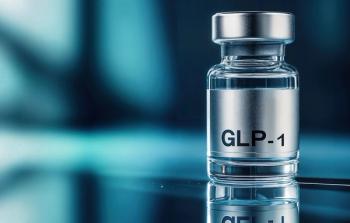
CVS Health is restoring coverage of Eli Lilly’s Zepbound and adding oral obesity drug Foundayo to its formulary, signaling shifting payer dynamics as lower-cost GLP-1 therapies expand access for patients.
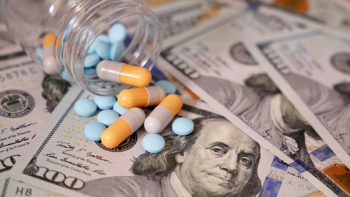
Lower-cost oral obesity drugs from Novo Nordisk and Eli Lilly are drawing patients away from compounded GLP-1 therapies, according to interviews with U.S. doctors from Reuters, signaling shifting market dynamics as branded oral treatments expand access and intensify competition in the obesity space.
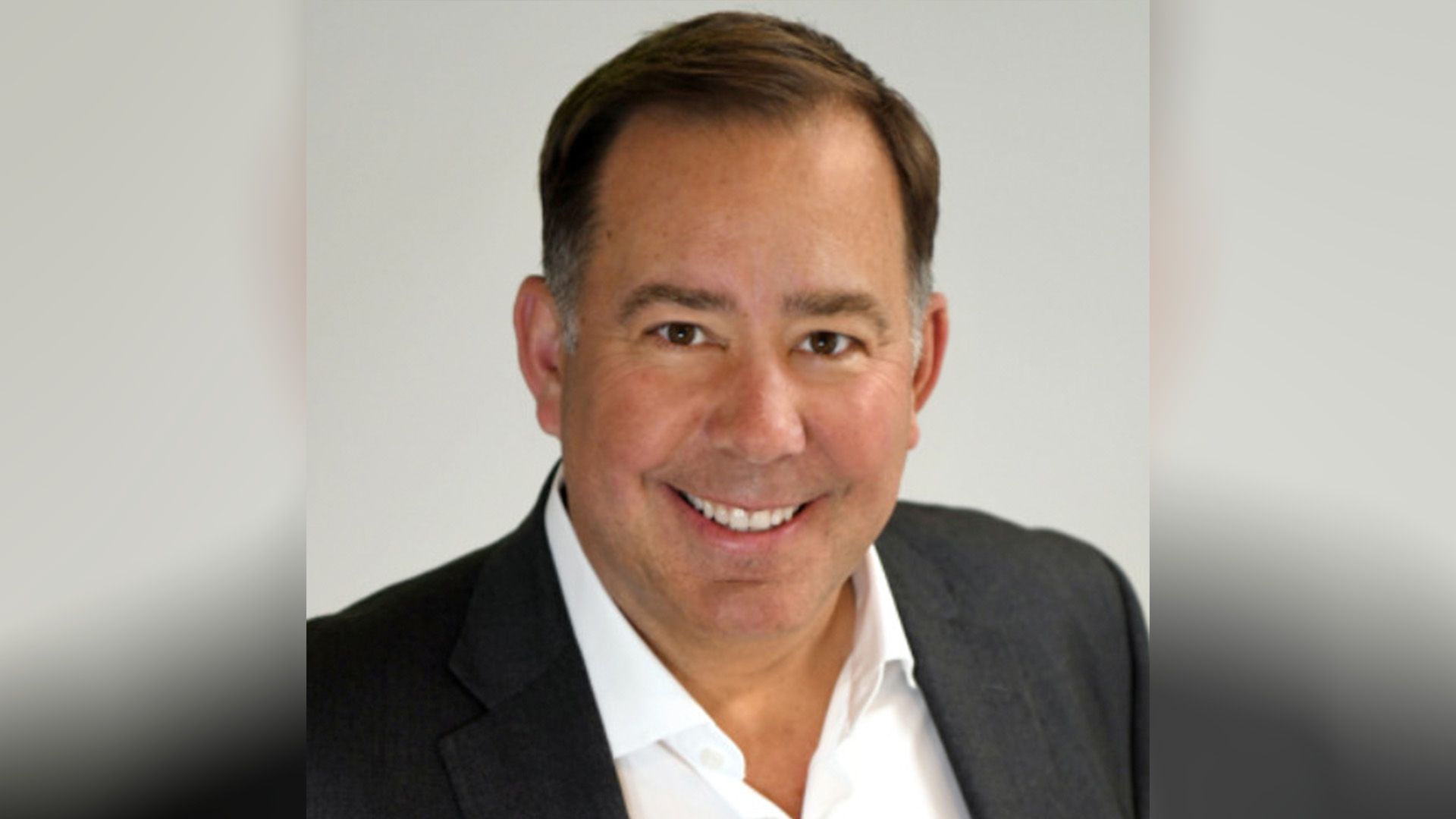
Mike Petroutsas, president and head of U.S. commercial at Astellas, explores the importance of insight-driven commercialization in reshaping how manufacturers engage patients, physicians and the broader healthcare ecosystem.

At the Doceree Makers Summit, leaders from Sanofi, Bristol Myers Squibb, Eli Lilly, and others backed a new pharma marketing operating model to replace fragmented legacy softwares.
How existing technologies and approaches such as targeted AI deployment can help make prior authorization workflows more efficient.

Agentic AI is reshaping pharma market entry by enabling real-time, data-driven insights that allow companies to ask more complex strategic questions and act faster — with greater precision.

An expected surge in generic GLP-1s is anticipated to reshape not only pharmaceutical pricing and access but also the global MedTech ecosystem supporting drug delivery.
Natalie de Graaf, from the API Innovation Center, discusses a recent whitepaper detailing areas where the generic drugs pipeline is under stress.

Charlie Lyon, VP of manufacturing, procurement, and logistics at the API Innovation Center, discusses the complicated web of global manufacturing.

Why biopharma's targeting model is overdue for evolution.
MaxCyte’s CEO explains the various ways CGT is impacted by new technologies and methods of treatment delivery.
Model N’s Michael Grosberg breaks down the accelerated complexity, policy disruption, and data gaps testing manufacturer market access and revenue management strategies.
Market analysts are comparing Foundayo’s sales with other GLP-1 medications, such as the oral version of Wegovy.

Morten Graugaard, CEO, Orbis Medicines, discusses the importance of oral biologics and the industry impacts of FDA's approval of Icotyde.
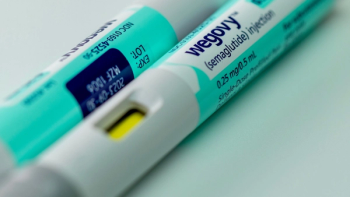
Novo Nordisk’s U.S. launch of a higher-dose Wegovy formulation highlights Novo's effort to extend efficacy, capture broader patient demand, and reinforce its dominance in the rapidly expanding obesity market.

Where PBMs fit into the new market access landscape, how pharma companies can respond and the questions that remain.
Analysis of U.S. drug pricing reform in 2026 highlights how the Inflation Reduction Act, Medicare drug price negotiation, and most-favored-nation pricing initiatives are reshaping pharmaceutical pricing, limiting patent-driven market exclusivity, accelerating generic and biosimilar competition, and driving strategic shifts in market access, pricing models, and innovation priorities across the biopharma industry.

Shionogi completed its $2.5 billion acquisition of global rights to Radicava from Tanabe Pharma, adding one of the few approved treatments for ALS to its portfolio .

Regulators are shifting antitrust scrutiny in healthcare from market share and pricing toward how vertically integrated systems shape patient flow, access, and competitive dynamics, signaling deeper oversight of ecosystem design, strategic intent, and cumulative market influence.
Novo Nordisk launched a multi-month Wegovy subscription program offering fixed monthly pricing through telehealth providers, aiming to improve affordability and long-term adherence among self-pay patients.

eHealth’s vice president of consumer enablement discusses pricing and cost issues with GLP-1s.
CMS’s 2026 requirement for manufacturers to submit “reasonable assumptions” alongside ASP data formalizes the role of estimation in drug pricing, increasing scrutiny on how ASP is constructed and shifting reporting toward greater transparency and accountability.
A comparison of TrumpRx.gov prices against UK National Health Service pharmacy payouts found that drugs from several major manufacturers remain significantly cheaper under the British system.
A nationally representative survey of more than 20,000 U.S. adults found that 33% made at least one daily spending trade-off to pay for healthcare in the past year

Leaning into a future downward pricing environment in pharma.
Advertisement
Advertisement
Trending on PharmExec
1
Chai Discovery Enters License Agreement with Pfizer to Accelerate Drug Discovery with AI
2
U.S. Supreme Court Unanimously Votes in Favor of Hikma in Case Against Amarin: Report
3
Alnylam Enters $2 Billion Strategic AI Collaboration with Inceptive
4
The Pharma Patent Cliff Explained: What It Is and How Companies Navigate It
5