






Patient Access
Latest News
Advertisement
Latest Videos









Shorts
Advertisement
More News

CVS Health is restoring coverage of Eli Lilly’s Zepbound and adding oral obesity drug Foundayo to its formulary, signaling shifting payer dynamics as lower-cost GLP-1 therapies expand access for patients.

FDA approves Gilead’s Hepcludex as the first treatment for chronic hepatitis delta virus in the U.S., marking a major milestone for a severe liver disease with limited therapeutic options.

FDA approves AstraZeneca and Daiichi Sankyo’s Datroway for first-line metastatic triple-negative breast cancer, expanding treatment options for patients ineligible for PD-1/PD-L1 inhibitor therapy.

New partnerships from Gilead Sciences and Johnson & Johnson highlight how healthcare companies are using collaborations to expand global disease initiatives and accelerate development of AI-enabled healthcare infrastructure.

Lower-cost oral obesity drugs from Novo Nordisk and Eli Lilly are drawing patients away from compounded GLP-1 therapies, according to interviews with U.S. doctors from Reuters, signaling shifting market dynamics as branded oral treatments expand access and intensify competition in the obesity space.

Toragen CEO Sandra Coufal, MD, discusses why the company is targeting HPV’s overlooked E5 protein, positioning its small-molecule therapy as a potential complement to checkpoint inhibitors like Keytruda across HPV-driven cancers.

The Trump administration has expanded TrumpRx to include more than 600 generic medications and integrated price comparison tools with partners including Amazon Pharmacy, Cost Plus Drugs, and GoodRx, broadening the platform beyond its original focus.
FDA approved AstraZeneca’s Fasenra for hypereosinophilic syndrome in patients aged 12 and older, expanding the IL-5 receptor-targeting therapy into a third eosinophil-driven disease with limited treatment options.

How existing technologies and approaches such as targeted AI deployment can help make prior authorization workflows more efficient.
FDA has approved BeOne Medicines’ Beqalzi for relapsed or refractory mantle cell lymphoma and Taiho Oncology’s Inqovi plus venetoclax for newly diagnosed acute myeloid leukemia, expanding treatment options for patients with difficult-to-treat blood cancers.
In an exclusive Q&A, Dean Erhardt discusses how fragmented onboarding processes delay therapy starts, along with noting how poor communication, limited visibility, and system misalignment is driving patient disengagement.
FDA has approved Partner Therapeutics’ Bizengri for NRG1 fusion-positive cholangiocarcinoma, expanding precision oncology options for a rare subset of gastrointestinal cancer patients with limited targeted treatment alternatives.

GSK partners with Sino Biopharmaceutical’s CTTQ unit to support the launch of hepatitis B candidate Bepirovirsen in mainland China, leveraging a commercial network spanning more than 5,000 medical centers.

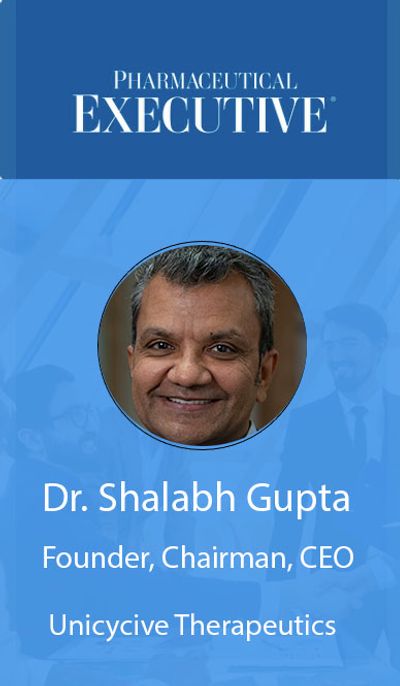
Aradigm Health’s CEO discusses how payers and other entities in the healthcare ecosystem are developing strategies to ensure cell & gene therapy costs don’t prevent patients from accessing them.

A report from American Society of Health-System Pharmacists projects U.S. prescription drug spending to surpass $1T in 2026, driven largely by surging demand for GLP-1 weight-loss therapies.

At Asembia AXS26, Clarivate’s Dee Chaudhary outlined how U.S. drug pricing policy is rapidly shifting, driving more aggressive payer utilization management, tightening access controls, and increasing volatility in pharmaceutical pricing and forecasting.

FDA approves Breztri Aerosphere for asthma, introducing the first single-inhaler triple-combination maintenance therapy for patients aged 12 and older.

FDA expands its approval of Tzield to children as young as one with stage 2 type 1 diabetes, extending the first disease-modifying therapy into an earlier, high-risk population to delay progression to insulin-dependent disease.

FDA Expands Approval for Dupixent for Young Children with Uncontrolled Chronic Spontaneous Urticaria
FDA expands Dupixent approval to children aged 2–11 with chronic spontaneous urticaria, marking the first biologic option for this population and extending its reach across type 2 inflammatory diseases.
FDA has approved Merck’s Idvynso, introducing a differentiated, two-drug, non-INSTI, tenofovir-free HIV regimen that maintains viral suppression while offering a potentially more tolerable, simplified option for long-term patient management.
Amazon has launched a new GLP-1 weight management program through its One Medical network, integrating obesity treatment into primary care while expanding access to both telehealth services and a range of branded medications.
Enabling highly individualized treatment approaches that align with each patient’s unique physiology, goals, and tolerability, compounding can have a significant impact.

Supply chain chokepoints are converging to expose deep structural vulnerabilities in the U.S. drug supply, with new data showing that even medicines not currently in shortage may be one disruption away from crisis.
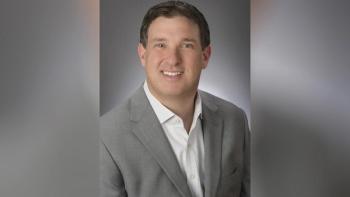
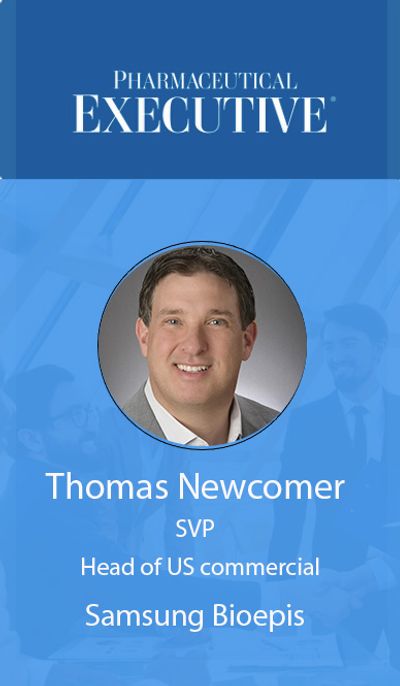
Samsung Bioepis’ SVP and head of US commercial discusses the pricing, regulatory, and broader issues impacting the biosimilars market.

Model N’s Michael Grosberg breaks down the accelerated complexity, policy disruption, and data gaps testing manufacturer market access and revenue management strategies.
Advertisement
Advertisement
Trending on PharmExec
1
Chai Discovery Enters License Agreement with Pfizer to Accelerate Drug Discovery with AI
2
U.S. Supreme Court Unanimously Votes in Favor of Hikma in Case Against Amarin: Report
3
Alnylam Enters $2 Billion Strategic AI Collaboration with Inceptive
4
The Pharma Patent Cliff Explained: What It Is and How Companies Navigate It
5